The past as a business asset.
We research, interpret and put to work your company’s economic, cultural and visual heritage – for branding, employer branding and leadership communication.
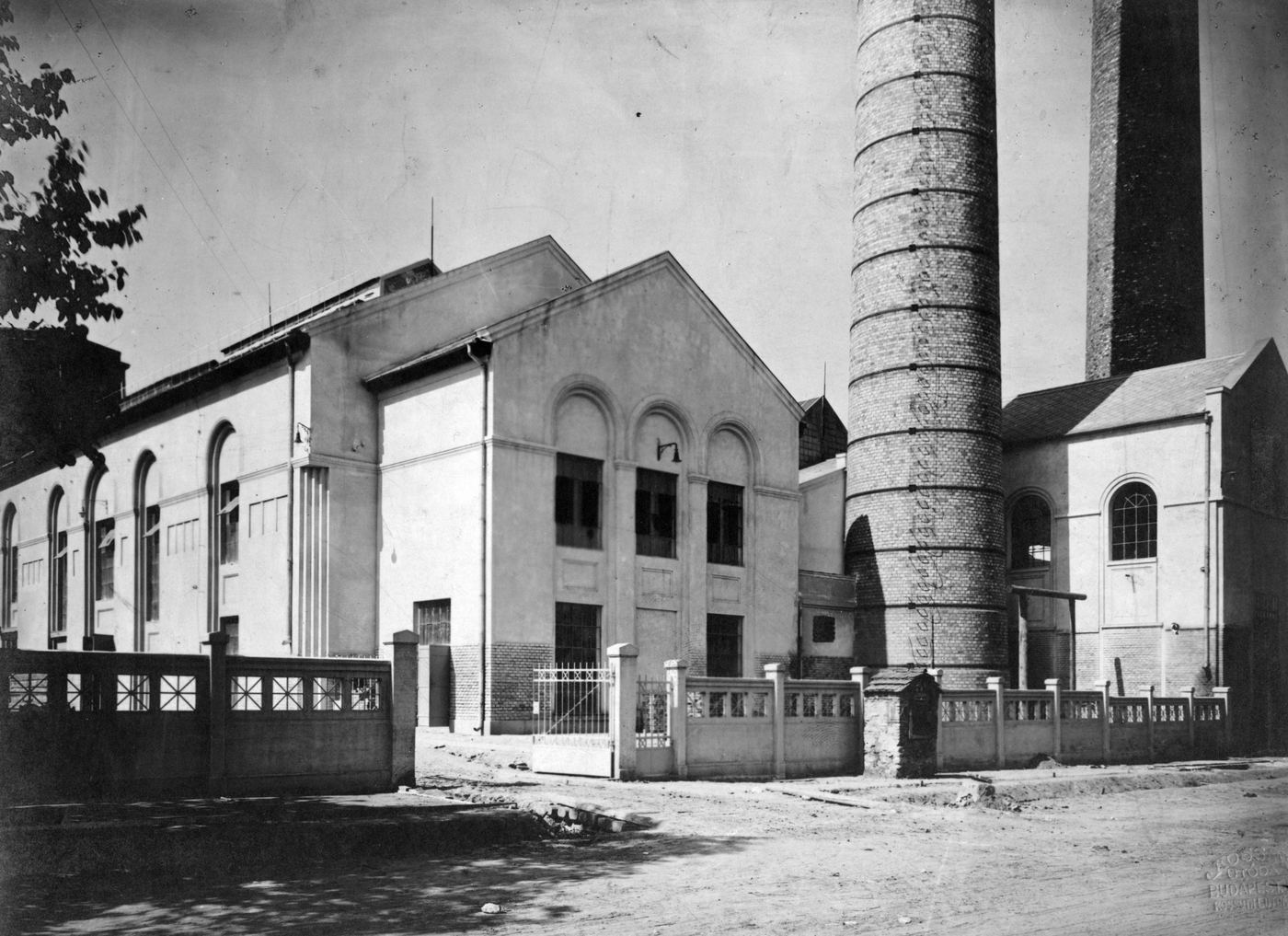
No one can copy your history.
Every company has a story.
Products, prices and technology can be copied. Where a company comes from, which crises it survived and which decisions shaped it cannot. This is the basis of its credibility with clients, employees and partners.
You don’t need to be 100 years old. A 25-year-old family business has a story too, and we can work even if the company has no organised archive.
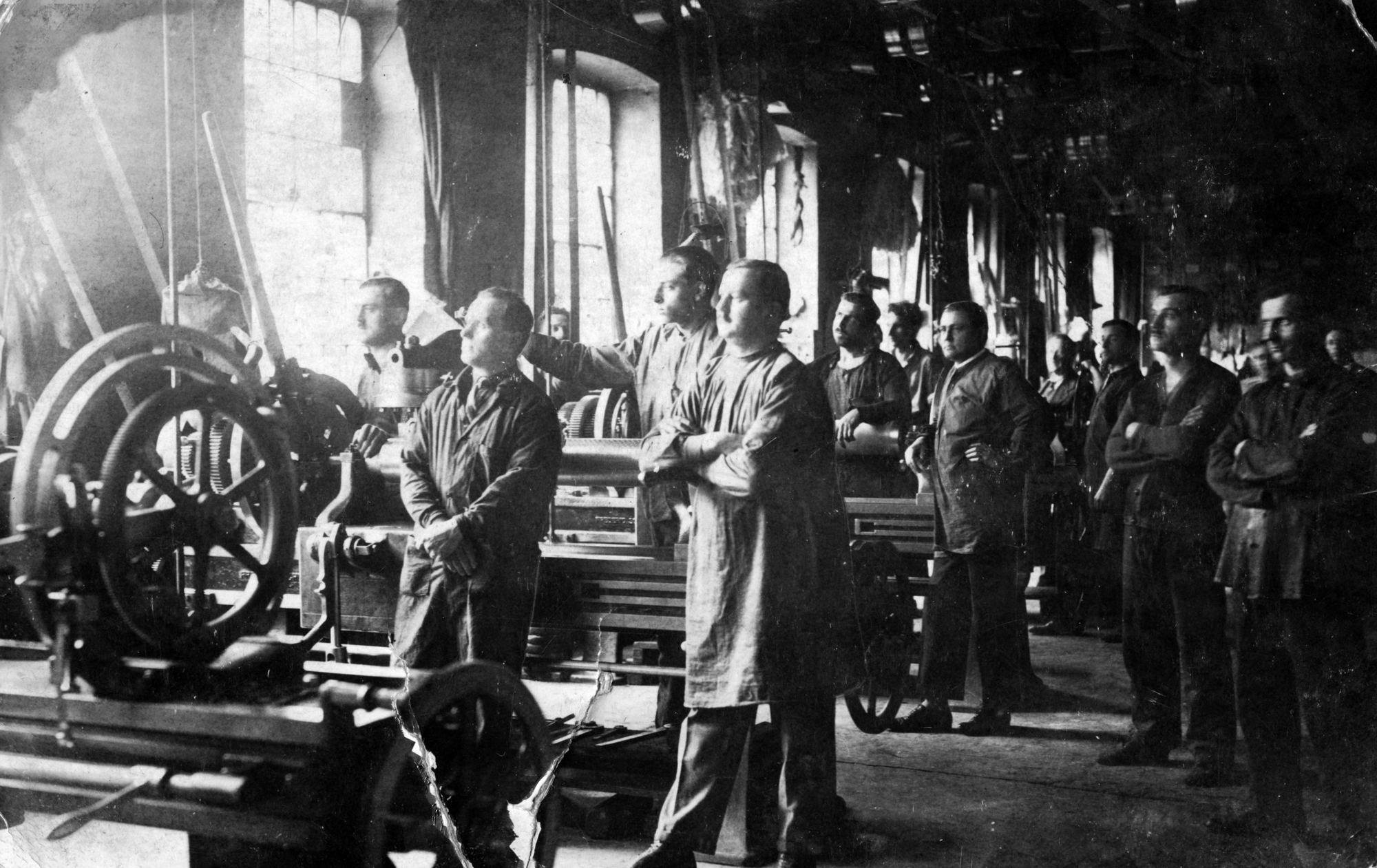
Where do you stand right now?
An anniversary is coming up
25, 50, 75 or 100 years: the best occasion to show who the company is and why it exists. It is worth starting at least 12 months ahead.
A generational handover is ahead
The founders’ knowledge and values survive only if someone records them.
You want a stronger employer brand
A credible story binds people better than any list of values on the wall.
New owner, brand or headquarters
Times of change are when you most need to know what is worth keeping.
The company’s history is fragmented
Nationalisation, restructuring, privatisation: in Hungary, a company’s story often runs through several legal predecessors. Piecing it together credibly takes specialist expertise.
Four steps, from a small start to a full programme.
Heritage Workshop
A half-day leadership workshop and a 5–10 page summary: what the company’s story is, what can be used from it, and what comes next.
Heritage Report
A 25–40 page research report: key periods, decisions and people; the company’s place in the economic history of its city and region; the elements still valuable today, mapped to your brand pillars, with communication recommendations.
Company history and anniversary publication
Archival and press research, interviews, picture editing; a finished manuscript or publication, produced with partners.
Heritage in communication
Company stories for your website and careers page, leadership presentations, exhibition concepts, a digital archive.
We prepare a tailored written proposal for every assignment.
We uncover the past. We interpret the connections. We make the story useful for the present.
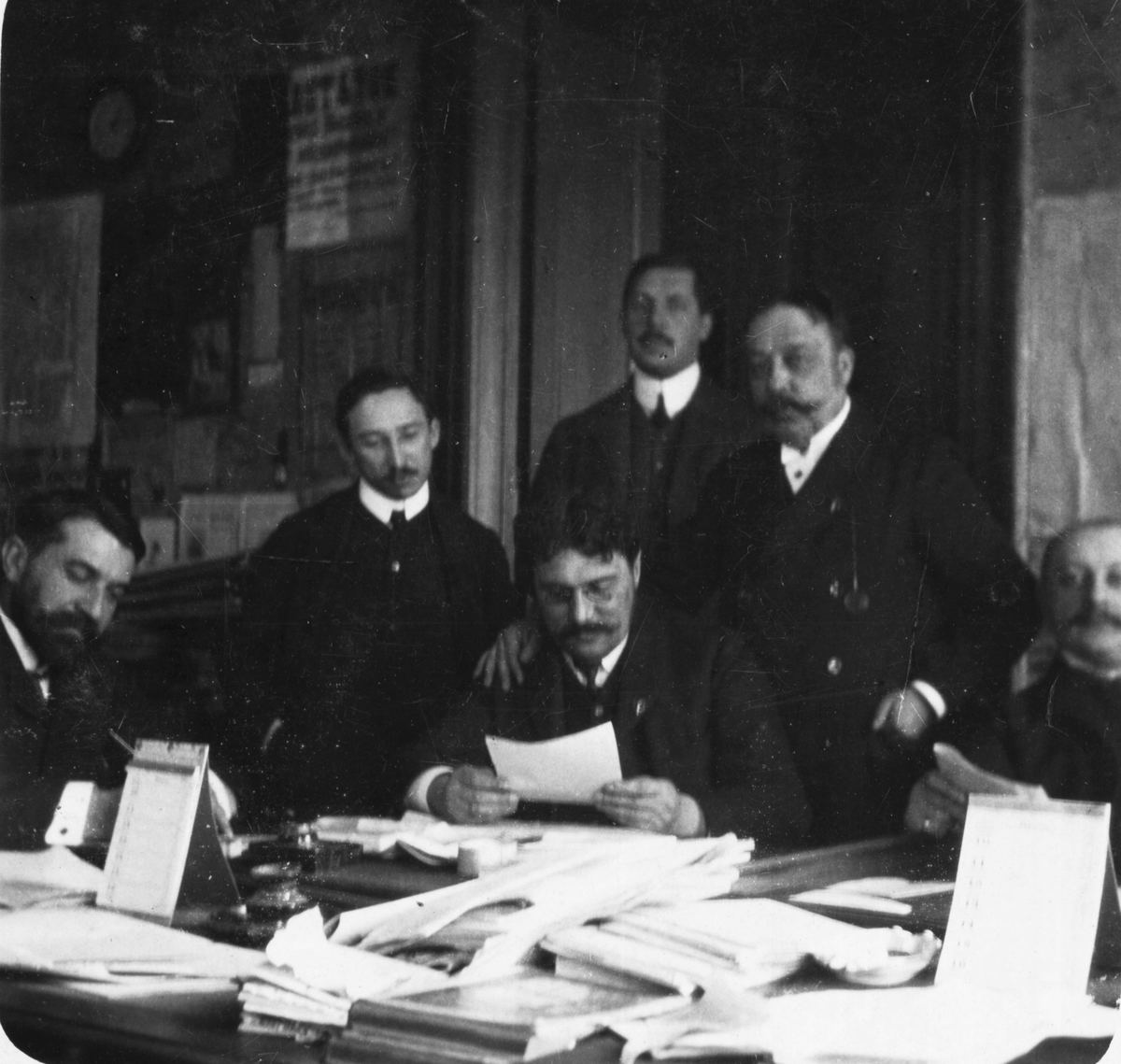
From research to a usable story, in four steps.
- 1 · GOALS
Who should hear the story, and why? We decide this in the Heritage Workshop.
- 2 · RESEARCH
Company records, archives, contemporary press, photographs, advertisements, interviews.
- 3 · INTERPRETATION
We place the company’s history in its economic and social context and connect it to today’s brand.
- 4 · APPLICATION
Recommendations and content: which story, in what form, for which audience.
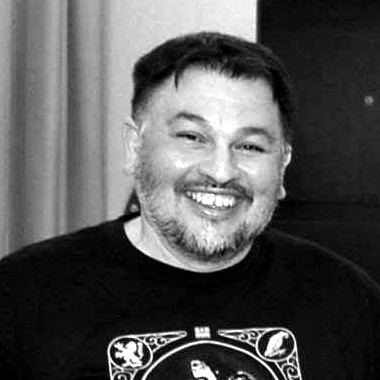
Who works on your company’s story?
He connects two worlds: culture and business. He qualified as a teacher, cultural manager and community organiser at Eötvös József College, studied social policy and sociology at Eötvös Loránd University (ELTE), including a comprehensive examination in social history, and later earned an MBA (MSc in Business Administration) as an economist at John von Neumann University. Early in his career he ran a cultural club and organised an exhibition.
This is why he reads company history both as a series of business decisions and as a community and cultural story. He is particularly interested in the years 1900–1940, when the modern company, modern design and consumer society were born.
Archival and historical research is supported by Julianna Keszthelyi, a history student at ELTE. Clients work directly with the founder, not with an agency’s junior team.
History is not always heroic. That is all right.
Twentieth-century Hungarian business history includes the wars, the anti-Jewish laws, nationalisation and privatisation. We do not leave these out; we treat them factually and with tact. A difficult chapter placed in context strengthens credibility; a chapter left untold is a risk.
Frequently asked questions
We have no organised archive. Can you still work with us?
Yes. A company’s history can also be reconstructed from archives, contemporary press, public collections and interviews.
How much time does an anniversary need?
At least 12 months for a publication or exhibition, 2–3 months for a Heritage Report.
What happens to confidential information?
We sign a non-disclosure agreement. The client always decides what is made public.
Who owns the research results?
The client. Usage rights for images and documents are clarified during the project.
How much does it cost?
We do not publish prices, because every project differs in scope. The first two-hour consultation is free of charge; afterwards we send you a tailored written proposal.
Let’s talk about your company’s story.
Request a free two-hour consultation. We will look at which service fits your goals.
Or directly: +36 30 974 8304 · jkeszthelyi@cognilink.hu